

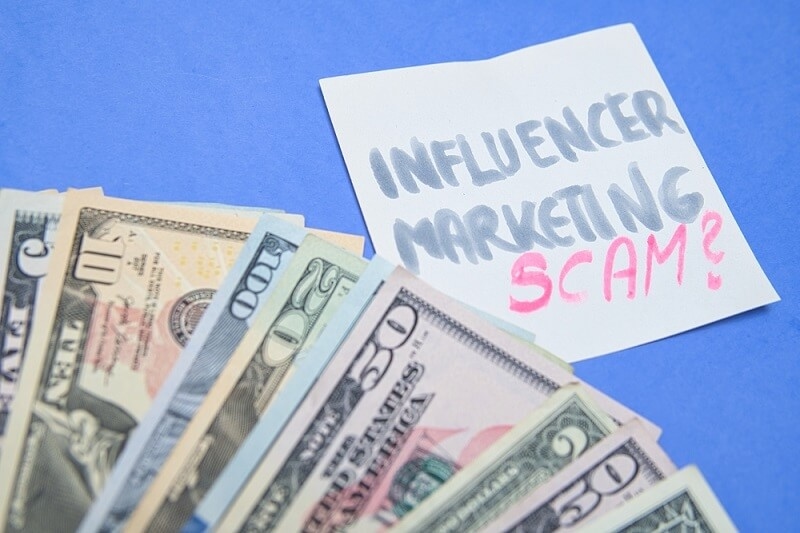
Influencer marketing did not fail brands. Blind trust in numbers did.
Over the last few years, influencer campaigns have become easier to launch and harder to judge. A profile with a large following looks convincing. Posts with thousands of likes appear successful. Reports show reach, impressions, and engagement. Yet sales stay flat and traffic barely moves.
This gap is where influencer marketing fraud lives.
It does not always look like a scam. Often it looks like a normal campaign that quietly underperforms. By the time brands realize what happened, the budget is gone and the data is useless.
Influencer marketing runs on visibility. Platforms reward accounts that appear popular. Brands follow the same pattern.
As a result, creators are pushed to grow fast, not grow honestly. That pressure leads to influencer fraud becoming routine rather than exceptional. When follower count affects pricing, fake growth becomes a shortcut many are willing to take.
This is why influencer marketing fraud is not limited to a few bad actors. It exists because the system allows it to work.
Top Pick: AI Agency Marketing Planning Guide for Smarter Growth
Fake followers are accounts that do not represent real people with interest in the content. They are created in bulk or purchased through third-party services.
On Instagram, this practice is especially common, which is why fake Instagram followers are frequently called out separately. Many creators inflate their profiles early to appear established. Others do it later to maintain relevance.
What matters for brands is the impact.
Fake followers do not behave like real customers. They do not save posts. They do not reply to stories. They do not click links. They do not buy anything.
A profile with fake followers may look active, but the audience is hollow. Campaigns built on that foundation rarely perform.
When follower counts alone stop impressing brands, engagement fraud fills the gap.
This involves artificially boosting likes, comments, or views to make posts appear active. Engagement fraud often relies on automation or coordinated groups where creators interact with each other regardless of interest.
This is why engagement numbers can mislead. A post may receive hundreds of likes within minutes, yet produce no meaningful response from the audience.
Common signs include:
Engagement fraud works because it looks balanced. The numbers are not extreme. They sit comfortably within expected ranges.

Not all influencer marketing scams rely on fake followers or engagement fraud. Some involve simple misrepresentation.
Examples include:
These influencer marketing scams are difficult to challenge because content is often delivered. The issue is not whether the post went live. The issue is whether it reached the right people or delivered value.
Some of the obvious reasons why influencer fraud costs more than campaign spend are:
Budgets spent on influencer fraud do not generate returns. That part is clear.
When campaigns fail quietly, teams analyze the wrong problems. Creative gets blamed. Messaging gets adjusted. Budgets get cut. The real issue, influencer fraud, often goes unaddressed.
Over time, this creates distrust in influencer marketing as a channel rather than in the way partners are chosen.
Audiences recognize forced promotions. When brands repeatedly partner with accounts that lack real credibility, it affects how consumers perceive the brand itself.
Also check: Effective Marketing Strategies for Steady Business Growth
Catching influencer marketing fraud does not require advanced software. It requires attention.
Real growth has context. Sudden increases without viral content often point to fake followers.
High engagement on low-effort posts should raise questions. Strong reactions usually follow meaningful content.
Genuine audiences respond with opinions, questions, and references. Bots repeat compliments.
A few minutes reviewing follower profiles can reveal patterns. Empty accounts do not appear by chance in large numbers.
Creators with real influence tend to carry audiences with them. Isolated popularity can signal inflated metrics.
Influencer marketing fraud cannot be eliminated completely. It can be managed.
Practical steps that help:
These steps make influencer fraud less attractive and easier to detect.
In the United States, regulators have made it clear that misleading audiences and brands is not acceptable. Undisclosed promotions, false claims, and deceptive metrics fall under scrutiny.
As enforcement increases, influencer marketing fraud becomes a legal risk, not just a performance issue.
Don’t Miss: Why Every Brand Needs an Instagram Business
Influencer marketing works when it is treated like any other marketing investment.
Influencer marketing fraud, influencer fraud, fake followers, fake Instagram followers, influencer marketing scams, and engagement fraud thrive when brands prioritize appearances over outcomes.
The brands that succeed ask fewer surface questions and more uncomfortable ones. Who is the audience. What do they do. What happens after the post goes live.
Real influence still exists. It just does not shout the loudest.
Influencer marketing fraud involves misleading brands through fake followers, engagement fraud, or false claims about audience reach and performance.
Fake Instagram followers are cheap, easy to buy, and difficult to notice at a glance, which makes them appealing to creators trying to appear established.
Brands can reduce influencer marketing scams by auditing influencers, testing campaigns on a small scale, and measuring outcomes tied to real business results rather than surface engagement.
This content was created by AI