

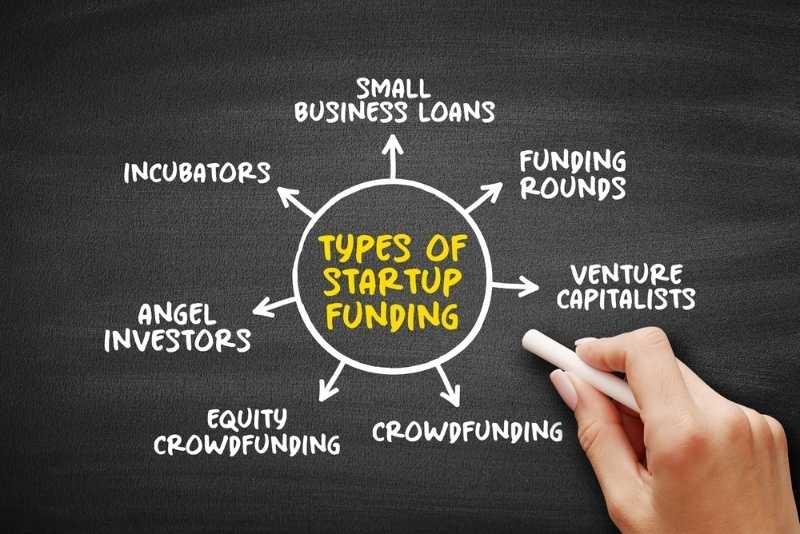
Startup funding looks simple from afar. You pitch, someone gives money, and you build. Reality is slower, messier, and sometimes confusing. Founders often chase capital without understanding where it comes from or why it fits. Different funding types serve different stages, and picking the wrong one can cost control, time, and even the company. Some money is fast but expensive; some is slow but stable. In this blog, we break down the major funding routes founders use today, what they really mean, and when they make sense.
Funding is not just money. Its structure, expectations, and pressure. Each source behaves differently; some want quick returns, others want steady growth. The main types of startup funding below cover most real-world cases, though in practice, people combine them.
Bootstrapping is the starting point for many. You use personal savings, maybe income from another job, or early revenue. No investors. No dilution. Full control.
It sounds clean, but pressure sits entirely on you. Growth is slower because capital is limited. Yet, this forces discipline. You spend only what matters. Many strong companies started this way — not by choice, but by necessity.
Early money often comes from people who trust you, not the idea. Friends and family funding is informal, sometimes undocumented, which is risky.
You must treat it professionally. Write terms clearly. Avoid vague promises. Emotional ties complicate things when the business struggles. Still, it works well for very early stages when no one else is willing to bet on you.
If you have a project with potential but not enough size, you need angel investors. They are private investors, not companies.
They not only invest, but they also give you their network and even their reputation. But they expect equity. You relinquish some ownership. Support and speed are traded off. Angel investors are often tapped before seeking larger investors.
Venture capital is all about taking big risks for the chance at big rewards. Investors put serious money into your company because they’re hoping for a major payoff, and in return, they own a piece of what you’re building.
They’re not looking to stick around forever; they plan to cash out eventually. Sure, you’ll get connections and resources, but you’re also handing over some control.
Crowdfunding allows entrepreneurs to raise small amounts from lots of people using platforms. It works for public ideas, new projects, and products.
As you raise funds, you validate demand. But campaigning is critical: marketing, storytelling, and timing. Not everyone is successful. Public failure is also evident. Still, it's a good option when venture capitalists are reluctant.
Debt financing means you borrow money and pay it back—with interest. Banks, financial institutions, and even some government programs offer these loans. What's nice is you keep your ownership; no one takes a piece of your company.
But you have to pay back the loan no matter how things turn out. If you’ve got steady revenue, debt funding can make sense. But brand-new startups usually struggle—no collateral, no track record, and tough to qualify for.
Grants and subsidies are a savior for some companies. You can retain control because the money doesn't have to be repaid or equity released. The compromise? It's hard to get accepted.
The criteria are highly selective, and the documentation is tedious. But grants can be crucial for some businesses, such as tech, research, or green businesses, not just for the cash but also for their prestige.
Worth a Look: What Is Pre-Seed Funding and Do You Really Need It?
Founders usually wonder about their options, but honestly, it’s more about timing than variety. Here’s how the choices break down—so you don’t get lost in the mess.
This is the survival stage. Bootstrapping, friends and family, and angel investors are common.
Once you’ve got traction, you can chase bigger capital.

Knowing startup funding types is one thing. Getting money is a different game. Founders often underestimate preparation. Investors don’t just look at ideas. They look at clarity, execution, and risk.
Your idea must translate into a simple, sharp narrative. What problem? Who cares? Why now? Avoid jargon. Keep it grounded. A strong story doesn’t mean exaggeration. It means clarity. Investors should understand the business within minutes, not struggle through slides full of noise.
Even small signals matter. Early users, revenue, feedback, pilot results — anything real. Without proof, funding becomes harder. Angels may take a chance, but larger investors need evidence. Traction reduces perceived risk; it shifts conversations from “idea” to “execution.”
Startup funding is not a checklist. It’s a sequence of decisions, each carrying weight. Founders often chase money without understanding its shape — how it behaves, what it demands later. That’s where problems start. Choose funding based on stage, growth pattern, and risk comfort. Not trends. Not pressure. Some companies grow quietly without external capital, while others scale fast with heavy investment. The goal is not just to raise money and stay in control of where the business is going.
Bootstrapping is usually safest. No loans, no giving up equity, you keep control, and you learn to run lean. The downside? You probably won’t grow fast. There’s no absolute “safe” answer—it depends on what you’re comfortable with.
Definitely, it’s common to mix them. Start bootstrapping, bring in an angel later, and go after venture capital down the line. Just make sure everything fits together—mixing incompatible funding strategies leads to headaches.
There’s no magic number. Early rounds often see founders give away 10–25% equity, but it varies. Don’t get carried away with dilution—future rounds will cut your stake further, so protect your share early.
No way. Plenty of successful companies never took VC money. If your business grows steadily and doesn’t need to scale like crazy, bootstrapping or revenue-linked financing might suit you better.
This content was created by AI